Need residential stamped concrete in Richmond?
- Introductions to independent local concrete providers
- Written quotes before any pour
- Schedules planned around family routines
- No obligation to proceed
No obligation
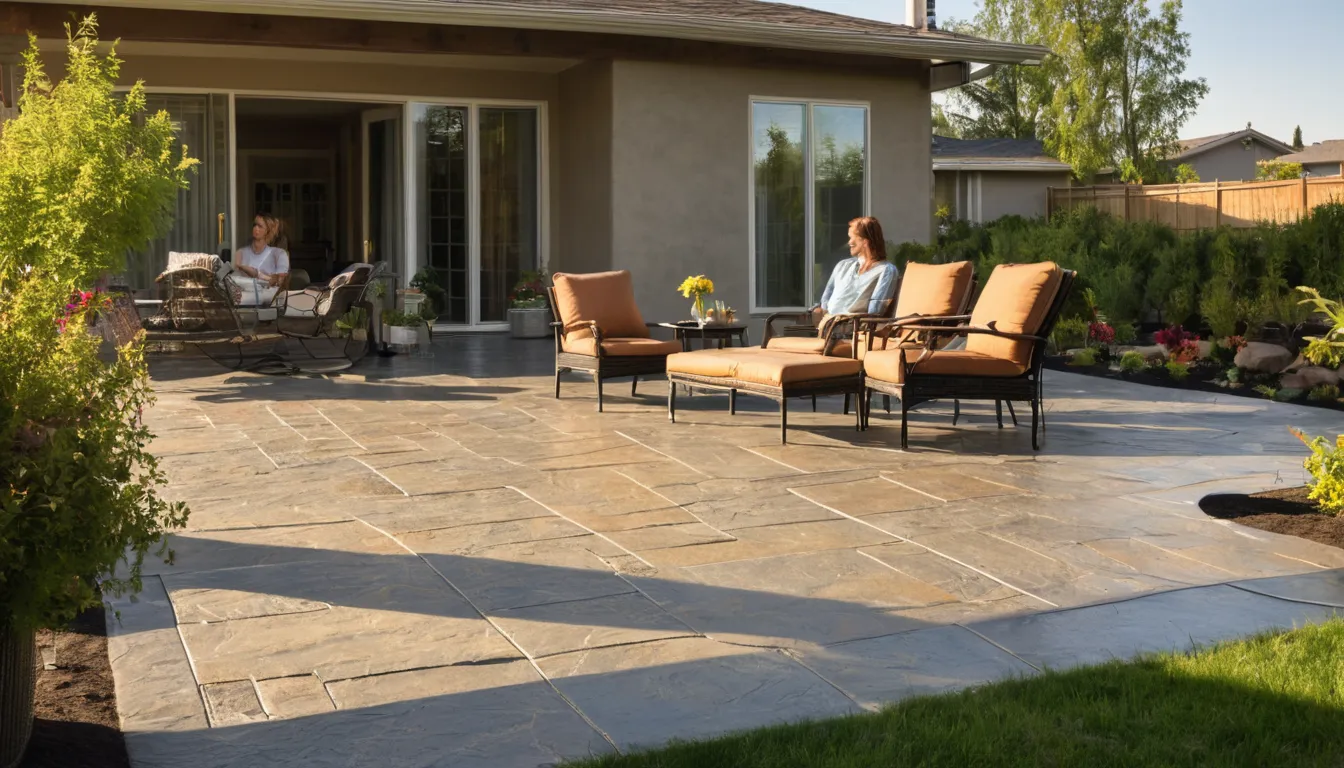
Stamped concrete is a poured slab with a pattern pressed into the surface. It can look like stone, brick, slate or wood, and it has fewer joints than laid units. It suits patios, walkways and pool surrounds. It also fits the stucco ranch homes, bungalows and tract houses common across the Richmond area.
Diijk Concrete is a referral service. It does not do the work. It connects you with an independent local provider in the network, so you skip a long search. Plan before pouring: settle the base, slope and schedule first, then ask for a written quote. That way the job can fit around school runs, work shifts and weekends, with fewer surprises and less disruption at home.
Stamped concrete is a poured slab with a pattern pressed into the top while it is still soft. The result can look like slate, brick, cobble or wood plank. Many homeowners choose it for stamped concrete patios, walkways and pool surrounds. Plan before pouring, and most surprises never show up.
This page covers new work only. If you need concrete driveway repair, or you see cracks that hint at a shifting house, that is a different job. Foundation repair experts deal with structure. Nobody should stamp a pattern over a problem that is still unsolved.
A provider in the network does every step. Diijk Concrete only makes the introduction.
The base comes first. The provider removes loose soil, compacts gravel and sets the forms. Next comes the slope, which sends water away from walls and doors. A slab that holds puddles is the classic mistake, and it is the one to avoid. Good concrete flatwork depends on this stage more than on any pattern.
Color is mixed into the concrete or dusted on top. A release powder keeps the mats from sticking. Workers press the mats in while the surface is still workable. After curing, the slab is cleaned and sealed. Sealer deepens the color and helps block stains.
Warm earth tones often suit stucco ranch homes. Brick or cobble patterns tend to sit well beside older bungalows. Tract homes from the 1950s to the 1980s can take almost any style, so pick one that echoes your roofline and fence. Ask to see a sample board outdoors, in daylight.
Do ask about a slip-resistant sealer or additive. Textured stamps grip better than smooth ones, but any sealer can turn slick when wet. Winter rain events make this matter. Avoid very dark colors where children play barefoot, because they hold heat through the long dry season.
Good fits include back patios, front walkways, pool decks, porch landings and garden paths. It also suits grill and seating areas. Climate plays a part. Long dry seasons help curing, though providers often pour early to keep the surface from drying too fast in heat. Mild coastal air is gentle on fresh slabs. Wildfire smoke seasons leave ash, so plan to rinse the surface gently afterward. Do not let anyone pour when heavy rain is forecast.
Pavers are single units set on sand. One can be lifted and swapped, but joints may shift and let weeds in. Stamped concrete is one continuous slab. It has fewer joints and sweeps clean easily. It can crack, though, and color may fade with sun over the years. Neither choice is right for every yard. Ask providers to explain both for your soil, your layout and your budget, then compare written quotes.
Small patios often take a few working days, plus curing time. Larger or more detailed jobs take longer. The provider sets the schedule based on weather, size and pattern. As a rough guide, light foot traffic may need to wait a day or two. Furniture and heavy items may need about a week. Vehicles wait longer. Always follow your provider's timing, not a general rule.
Tell the provider about school runs, work shifts, pets and parking. Ask where the concrete truck will sit and which door you can use. Ask when noise and dust are likely. Share the plan with the household so nobody walks across wet concrete. Fewer surprises, less disruption.
Sweep often and rinse with water. Use a mild cleaner for stains. Do not use harsh acids or a high-pressure washer unless the provider says it is safe for your sealer. Plan to reseal every few years, depending on sun and traffic. Keep sprinklers from soaking the same spot every day.
A written quote should list size, pattern, color, sealer, base work and schedule. Do not pay a large deposit before you have read it. Compare more than one if you can. Costs vary by job, so treat any number you hear before a site visit as a rough guide.
Request a callback to check provider availability and describe your yard. A provider in the network can take it from there.
A provider looks at drainage, access and slope before any pattern or color is chosen.
Soil is cleared, gravel is compacted and forms are set so the slab drains properly.
Choose from stone, brick, slate or wood looks, with color mixed in or applied on top.
A sealer protects color and helps resist stains, with slip-resistant options worth asking about.
These are typical U.S. ranges for installed stamped concrete. Your price depends on size, pattern, access and base work, so always ask a provider for a written quote before you agree to anything.
| Item | Typical range | Notes |
|---|---|---|
| Basic stamped patio, per sq ft | $8 – $18 | Simple pattern, standard color, sealer included |
| Complex pattern or multiple colors, per sq ft | $12 – $25 | More labor and detail raise the price |
| Small patio, about 200 sq ft | $2,000 – $5,000 | Size and base work drive the total |
| Walkway or garden path | $1,500 – $4,500 | Depends on length, width and curves |
| Removing an old slab, per sq ft | $2 – $6 | Needed only if concrete is already there |
| Resealing, per sq ft | $1 – $3 | Often needed every few years |
Tell us the size, the spot and the look you want, plus any family routines to work around.
You are connected with an independent local provider who can ask about drainage, access and timing.
Check the pattern, color, sealer, base work and schedule before you say yes to anything.
Agree on dates, access and curing rules that fit school runs and work shifts.
Safety-first planning helps you spot base, slope and timing problems before concrete is placed.
Reach an independent local provider without calling around for hours.
Providers in the network know the soil, weather and home styles in your area.
You are encouraged to review a clear written quote before any work is scheduled.
Typical U.S. prices run from about $8 to $18 per square foot, and detailed patterns can cost more. Size, base work and access change the total, so get a written quote.
With a sound base, good drainage and regular sealing, stamped concrete can last many years. Cracks and fading can still happen over time. Ask the provider what to expect and how often to reseal, since results vary by site and weather.
It can be, especially with a glossy sealer. Ask the provider about a slip-resistant additive or textured stamp, and mention rain, pools or children. Do not use a surface you feel unsure about.
Ready to plan a new driveway or patio? Request a callback to check provider availability, or send an estimate request and a local provider can follow up.
No obligation